
-

Hi A,
You may still find given some time that your cat will come around to eat dry food normally. Cats are capable of swallowing food morsels whole and can adjust well to having no teeth and still eating dry food. My own 17 year old cat with only his little incisors, still eats dry food very well, as does his sister with only her incisors and bottom canines.
However, one suggestion I have seen some success with is to moisten the kibble with low sodium chicken broth (or beef broth is another option) instead of water. This can add some additional flavor.
It’s not the worst thing though if wet food is the main option. Cats do get a lot more water content from wet food which can be helpful as cats age. Personally, I do feel that predominantly wet food diets can contribute to more build up on the teeth for cats, but if a majority of teeth have been removed, this can be less of a concern.
And in the event that weight is an issue, wet food exclusive diets allow for meal feeding vs. free feeding (since you can’t leave it out) and better portion control. The main disadvantage of course is meal feeding isn’t practical for everyone’s schedule.
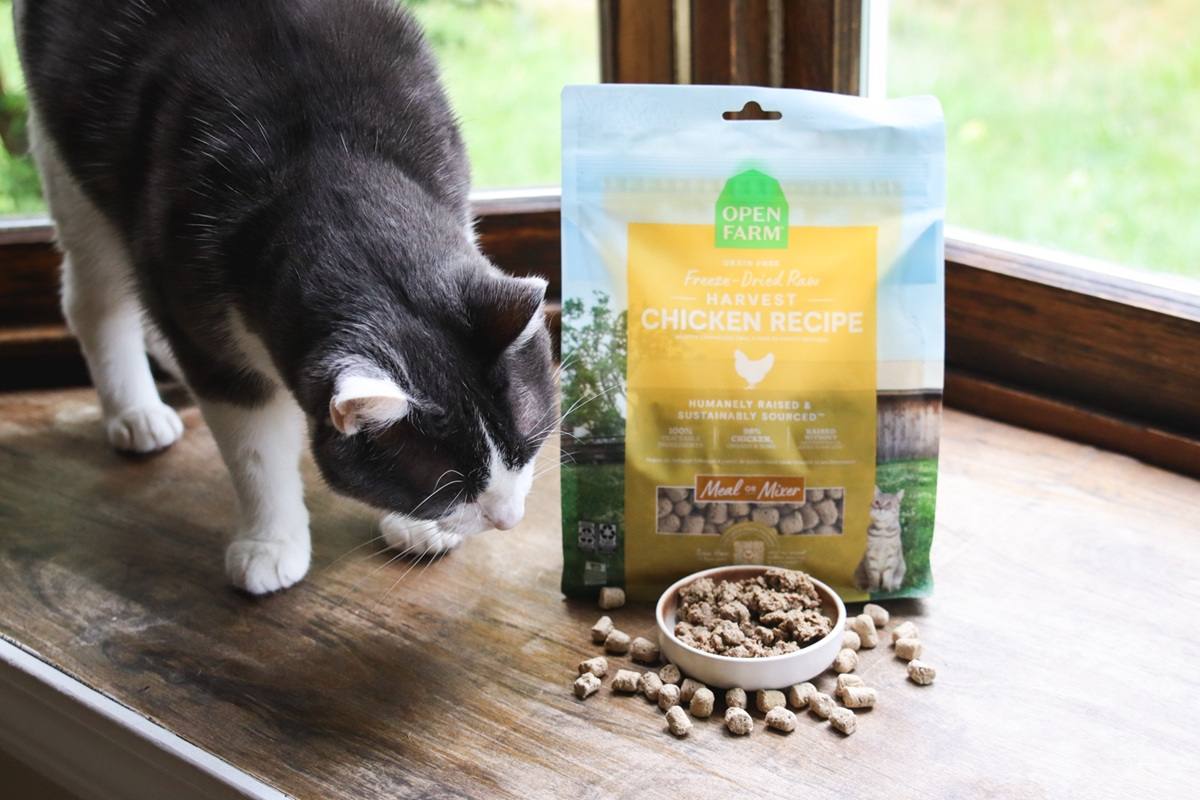
Dehydrated or freeze-dried diets may be another option to look into. While they can be fed as is, adding warm water as directed causes significantly more moistening of the food compared to regular kibble. Here is an article with some more information and diet reveiws: https://cats.com/best-freeze-dried-cat-food
cats.com
10 Best Freeze Dried Cat Foods: Unbiased Review - Cats.com
Looking for the best freeze dried cat food on the market? After extensive research and testing, we've chosen these recipes as the best you can buy.